
The Ultimate Guide on How to Frost a Cake:
Professional Results at Home
Baking the perfect sponge is only half the battle. If you want to transform a simple dessert into a show-stopping centerpiece, you need to know how to frost a cake with precision and flair. While it might seem intimidating to achieve those razor-sharp edges and smooth-as-silk finishes you see on social media, the process is actually a repeatable science.
Whether you are preparing for a birthday or just practicing your weekend bake, mastering how to frost a cake is a fundamental skill for any home baker. In this comprehensive guide, we will break down the essential tools, the prep work, and the professional techniques required to level up your decorating game.
Table of Contents
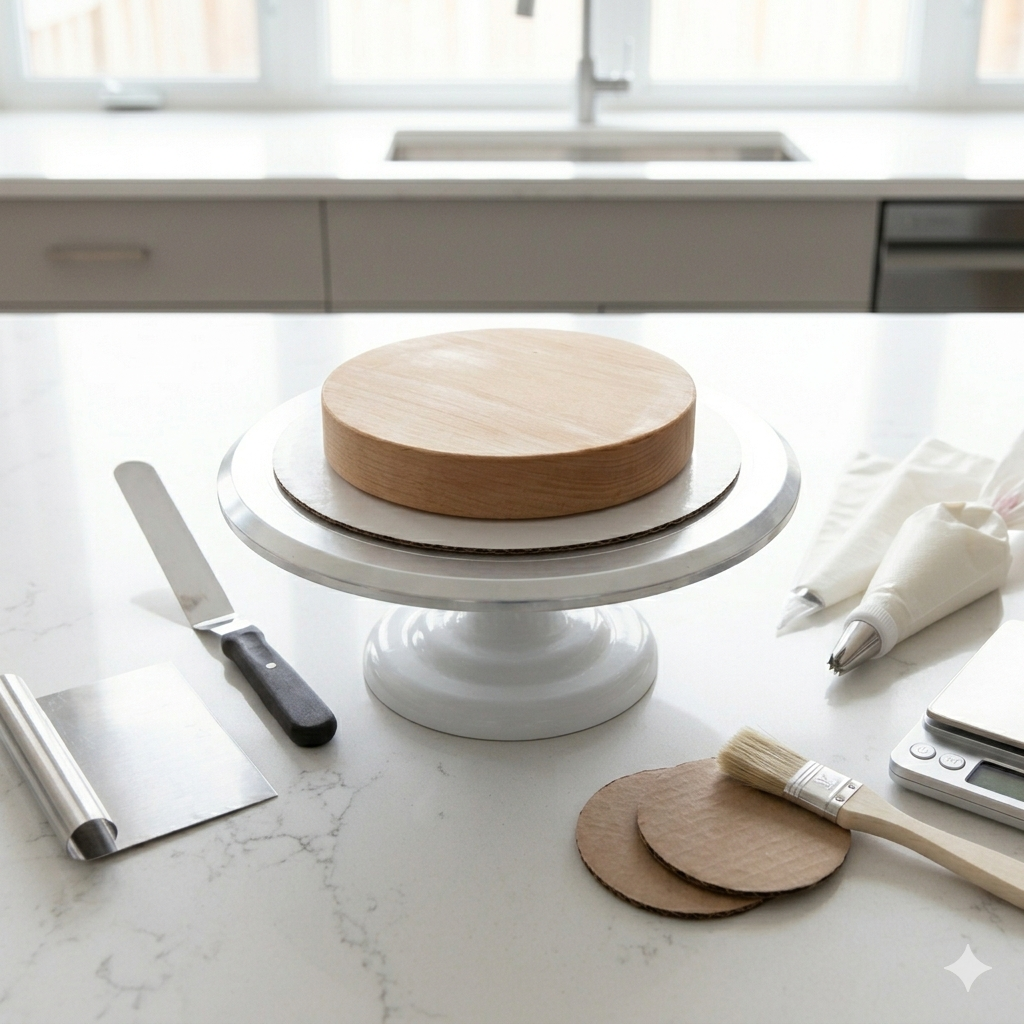
Essential Tools for Success
Before you dive into the process, you need the right gear. Trying to learn how to frost a cake without the proper equipment is like trying to paint a masterpiece with a toothbrush.
Turntable (Lazy Susan): A rotating stand is non-negotiable for achieving a smooth, continuous finish.
Offset Spatula: The cranked handle keeps your fingers out of the icing while you spread.
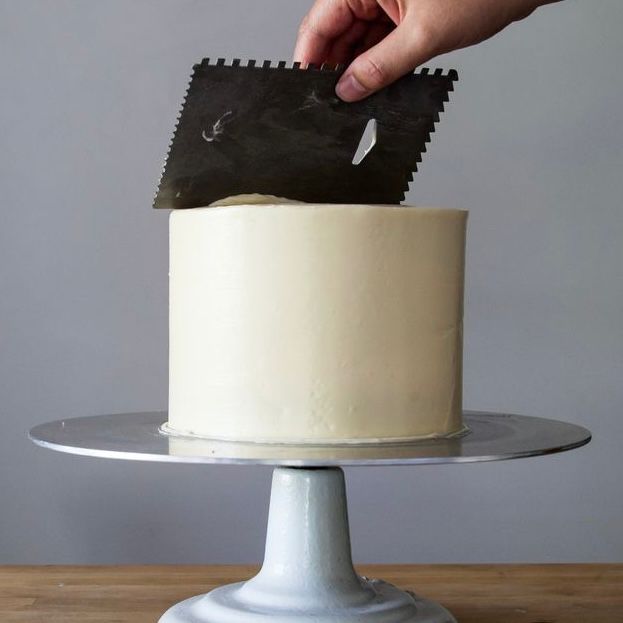
Bench Scraper: This is the secret weapon for those perfectly flat sides.
Cardboard Cake Rounds: These provide a sturdy base and make moving the cake much easier.
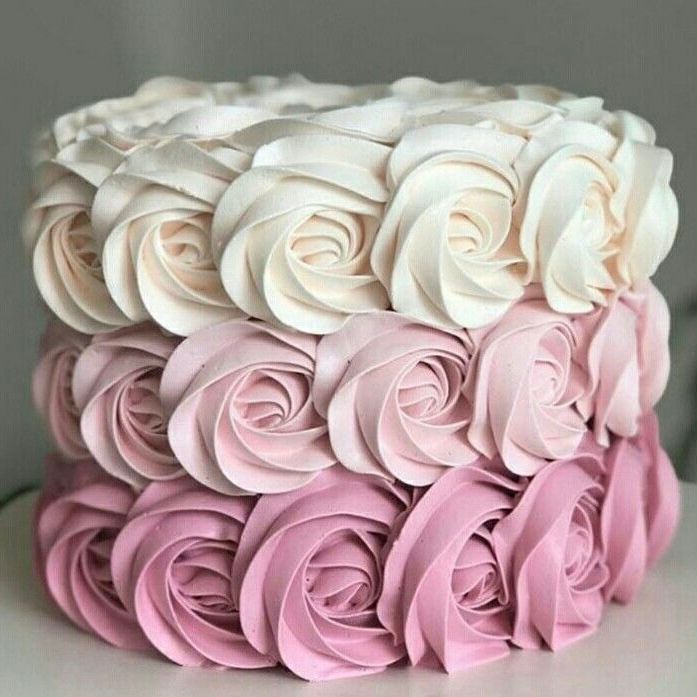
Piping Bags and Tips: Essential for adding the final decorative flourishes.
Preparing Your Cake Layers
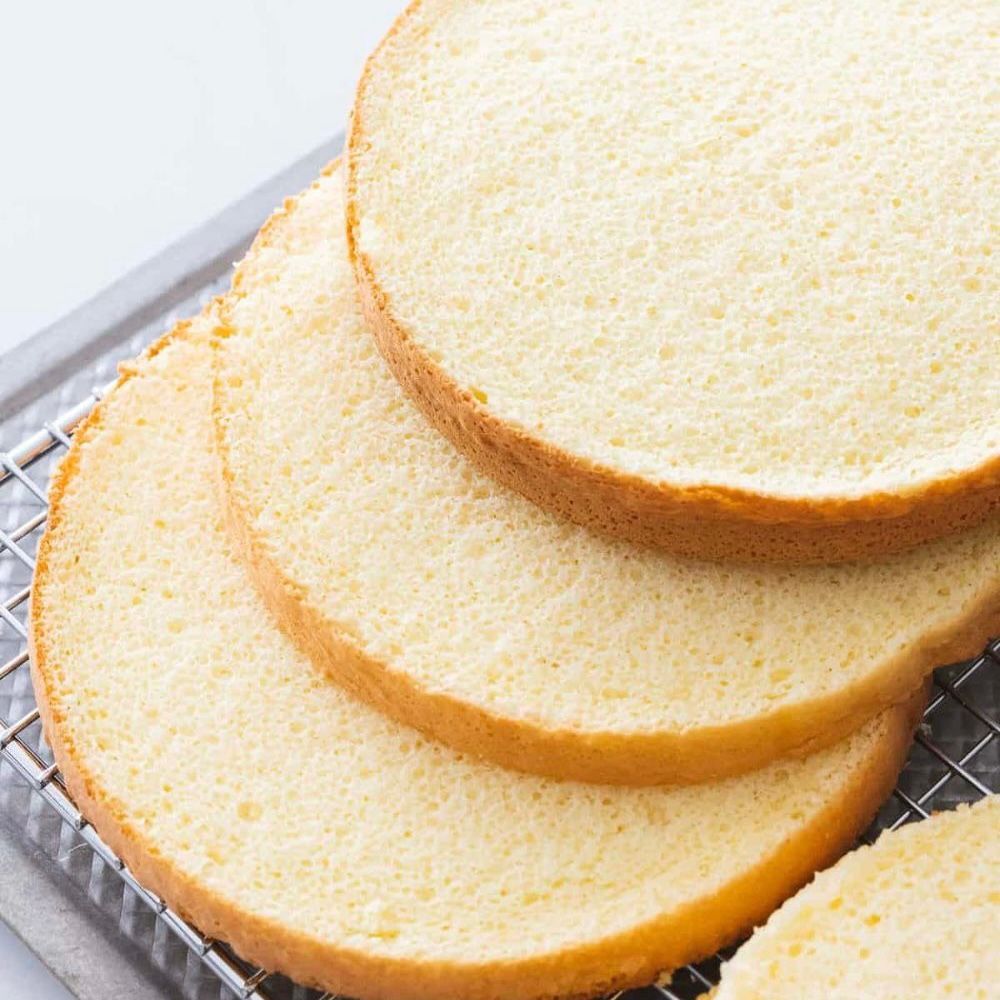
You cannot learn how to frost a cake effectively if your base is unstable. Preparation is the foundation of a beautiful result.
Level the Layers: Use a serrated knife or a cake leveler to remove the “dome” from the top of your cakes so they sit perfectly flat.
Chill Your Cake: Never frost a warm cake. Cold layers are firmer, less fragile, and produce fewer crumbs.
Brush Away Loose Crumbs: A quick sweep with a pastry brush prevents stray bits from ruining your pristine finish.
Simple Syrup Spritz: Lightly mist your layers with syrup to keep them moist while you work on how to frost a cake.
The Importance of the Crumb Coat
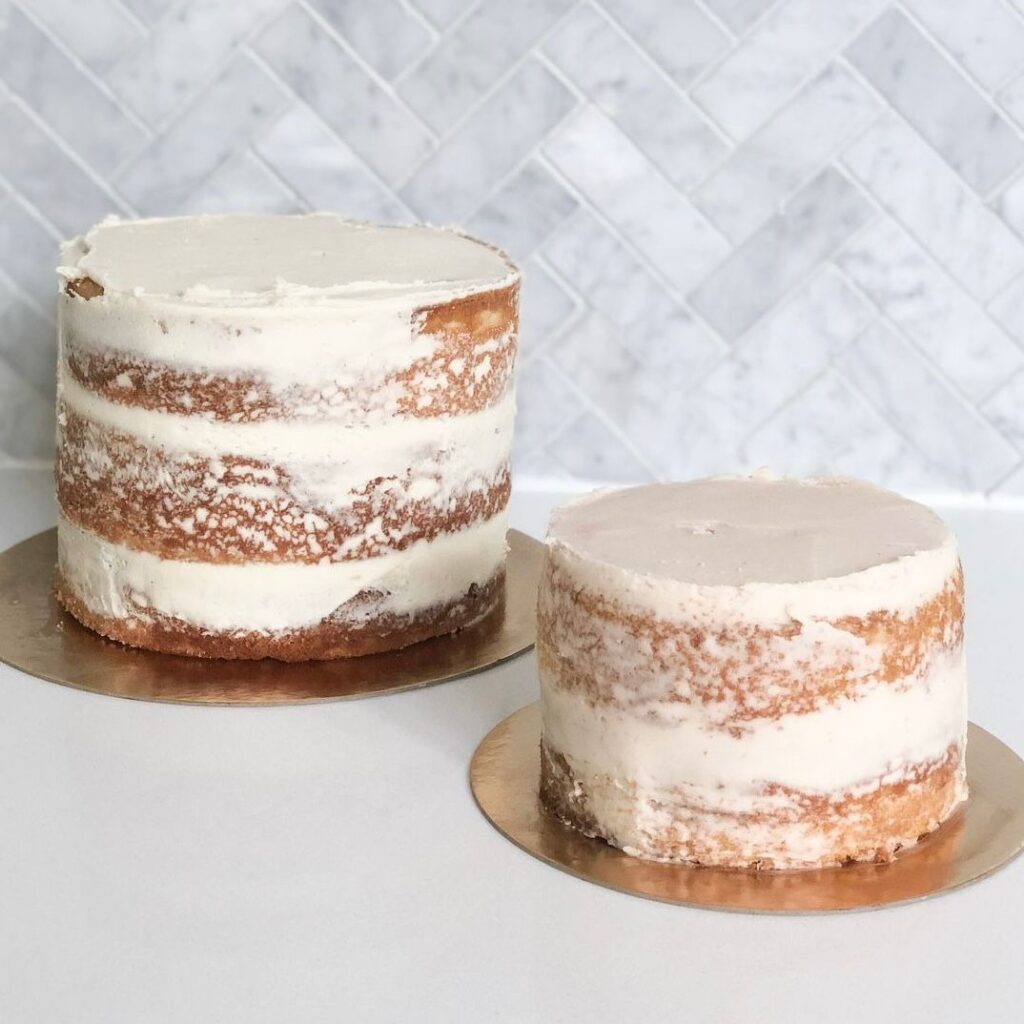
The biggest mistake beginners make when learning how to frost a cake is skipping the “crumb coat.” This is your primer layer.
Thin Layering: Apply a very thin layer of frosting over the entire exterior of the cake.
Locking in Crumbs: This layer acts as a seal, trapping all the loose cake particles so they don’t get into the final decorative layer.
Refrigeration is Key: Once the crumb coat is applied, chill the cake for at least 30 minutes until the frosting is firm to the touch.
Setting the Shape: Use this stage to fill in any gaps between layers to create a uniform cylinder.
How to Frost a Cake: The Final Coat
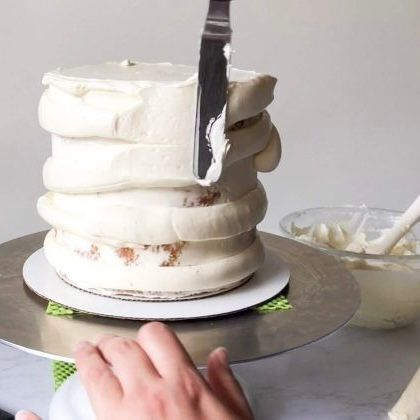
Now that your base is set, it’s time for the main event. This is where you apply the thick, luscious outer layer that everyone will see.
Start at the Top: Put a large dollop of frosting on the top and spread it toward the edges with your offset spatula.
Work the Sides: Apply generous amounts of frosting to the sides while slowly spinning the turntable.
Over-Apply Initially: It is easier to remove excess frosting than it is to add more later without creating divots.
The “Scrape” Technique: Hold your bench scraper at a 45-degree angle against the side of the cake and spin the turntable in one fluid motion.
Achieving Sharp Edges and Smooth Finishes
The hallmark of someone who knows how to frost a cake at an expert level is the “sharp edge” at the top.
The Lip: As you smooth the sides, a “lip” of frosting will push up above the top edge.
The Inward Sweep: Use your offset spatula to gently swipe that lip toward the center of the cake.
Clean Tools: Wipe your spatula clean after every single swipe to ensure you aren’t re-depositing old frosting.
Hot Water Trick: Dip your metal scraper in hot water and wipe it dry; the heat will slightly melt the fats in the frosting for a glass-like finish.
Choosing the Right Frosting
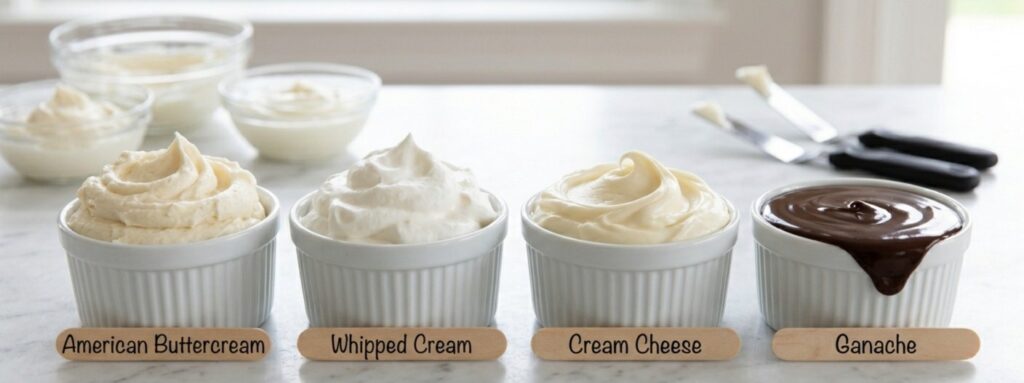
Your success in learning how to frost a cake depends heavily on the medium you use. Not all frostings are created equal, and your choice will dictate how easily the icing glides over your sponge.
Frosting Type | Best For | Stability | Difficulty Level | Characteristics |
| American Buttercream | Birthday cakes & piping | High (Crusts) | Beginner | Very sweet, easy to spread, holds shape well in warmth. |
| Whipped Cream | Light summer cakes | Low | Intermediate | Airy and fresh; requires stabilization to avoid melting. |
| Cream Cheese | Red Velvet & Carrot cakes | Low-Medium | Beginner | Tangy and creamy; can be “floppy” if not kept chilled. |
| Ganache | Modern, sharp-edge cakes | Very High | Advanced | Rich chocolate flavor; sets firm like a truffle once cooled. |
No matter which frosting you select, the temperature of your environment and your ingredients will be the ultimate factor in how to frost a cake successfully.
Key Takeaways for Your Selection
For the Smoothest Finish: If your goal is to learn how to frost a cake with a sleek look, Ganache is an excellent choice because it sets firmly and allows for very precise smoothing.
For Intricate Piping: If you want to practice flowers or borders, American Buttercream is the most forgiving because it doesn’t melt as quickly from the heat of your hands while you practice how to frost a cake.
For Temperature Sensitivity: If you are learning how to frost a cake in a hot kitchen, avoid Whipped Cream or Cream Cheese unless you have a fridge ready for frequent “chill breaks” to keep the frosting stable.
Troubleshooting Common Issues
Even when you know how to frost a cake, things can occasionally go wrong. Here is how to fix common mishaps.
Bulging Fillings: If your middle layer is oozing out, create a “dam” of stiff buttercream around the edge before filling.
Air Bubbles: These often occur if the buttercream was beaten at too high a speed. Smooth them out with a warm spatula.
Sliding Layers: If the cake feels unstable, insert a wooden dowel through the center to lock the layers in place while you frost.
Grainy Texture: Ensure your powdered sugar is sifted and your butter is at the correct room temperature.
Final Decorative Touches
Once you have mastered how to frost a cake with a smooth finish, you can start exploring textures and designs.
Rustic Swirls: Use the back of a spoon to create intentional, beautiful “C” curves in the frosting.
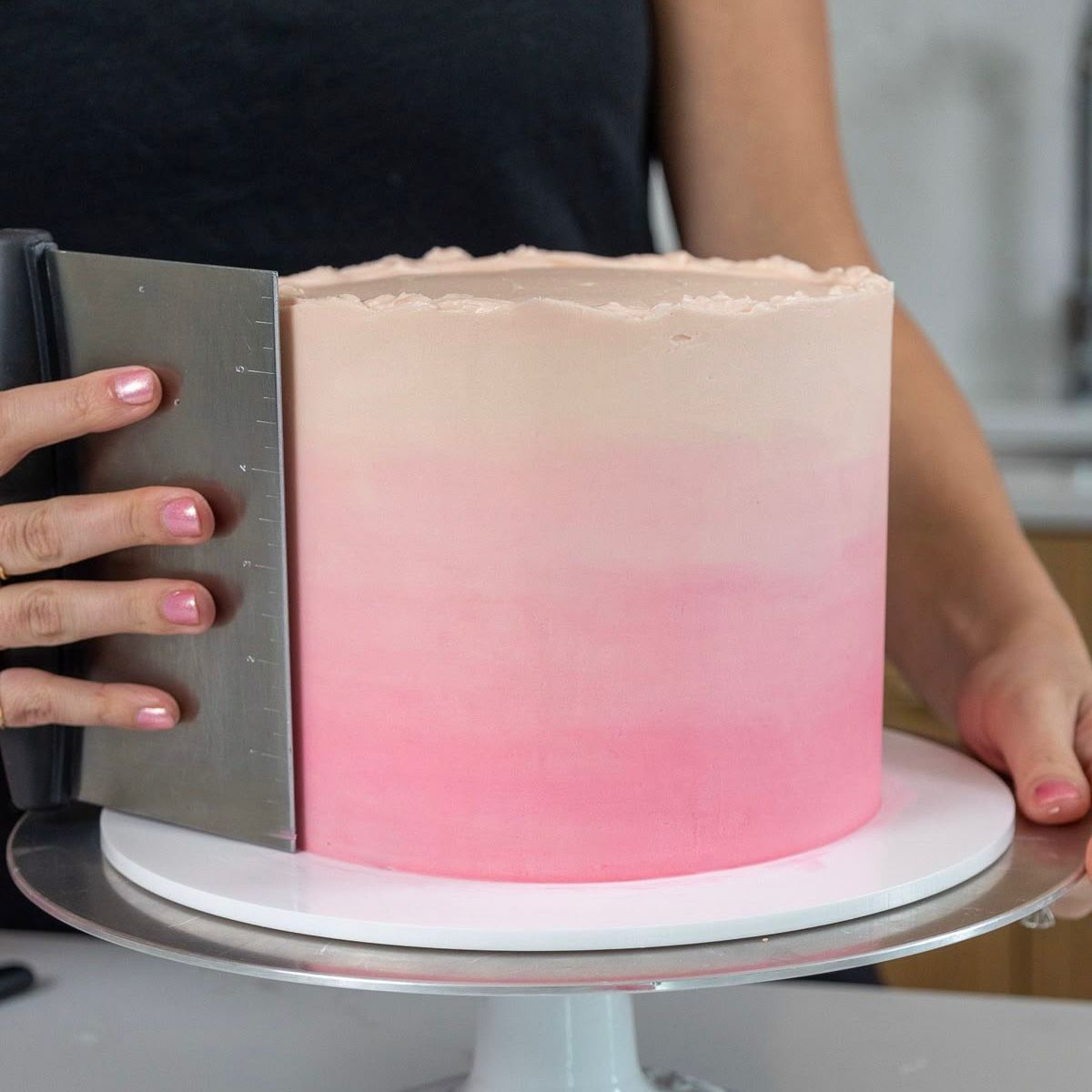
The Ombre Look: Tint different batches of frosting in varying shades and blend them horizontally.
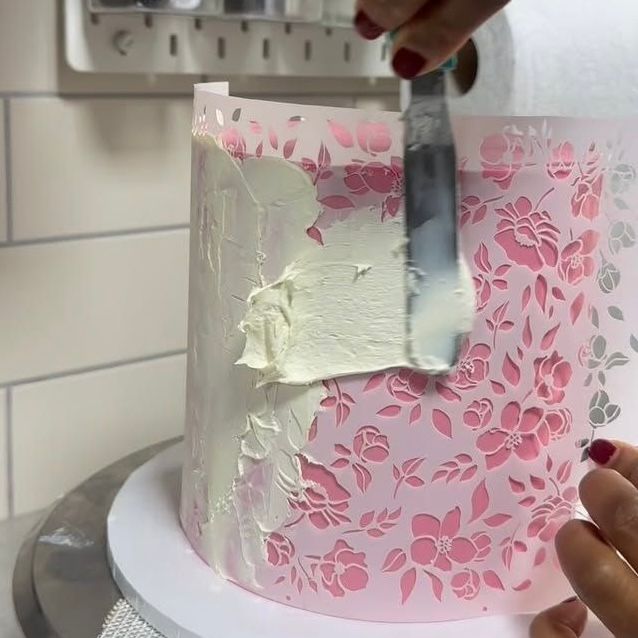
Stenciling: Place a stencil against the chilled frosting and scrape a contrasting color over it.
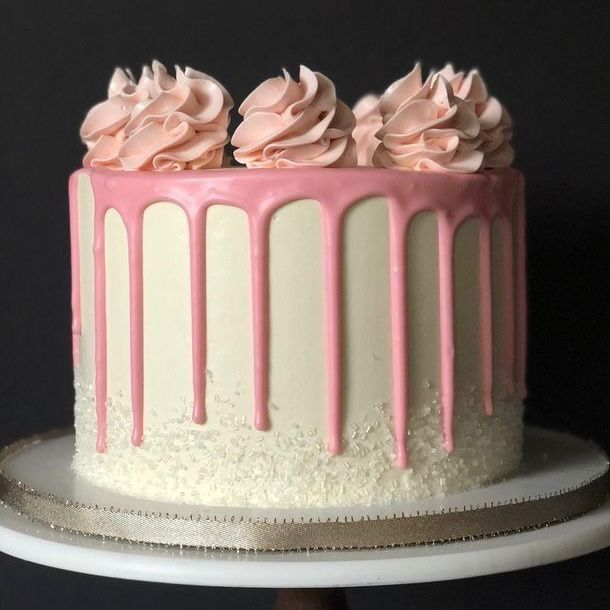
Drips: Use a ganache or candy melt to create those popular “drip” effects down the sides of your smooth cake.
Conclusion: Practice Makes Perfect
Learning how to frost a cake is a journey, not a destination. Your first attempt might have a few wobbles, but with the right tools and the patience to apply a crumb coat, you will see immediate improvements.
Remember that the flavor is what people eat, but the frosting is what they see first. By following these steps on how to frost a cake, you are well on your way to creating bakery-quality desserts in your own kitchen. Keep your tools clean, your cake cold, and your turntable spinning!
For more advanced techniques, explore: 10 Pro Tips for Decorating Cakes Like a Pastry Chef